Analysis
Jimmy Carter embodied what Trump has never been able to grasp about Christianity | Opinion

During the 1976 presidential campaign, The New York Times ran a front-page story on Jimmy Carter’s Baptist faith. “There has been no serious challenge to Mr. Carter’s sincerity or his spiritual credibility,” the reporter concluded. “Most uneasiness appears to stem from a fear that an evangelistically minded President might use his power to advance his beliefs or violate the separation of church and state.”
Carter, who died Sunday at the age of 100 in Plains, Georgia, went on to win the presidency and spent the decades of his post-presidency championing human rights around the world and building houses through Habitat for Humanity. He taught Sunday school classes before, during, and after his time in the White House. No matter what you think of his actions as president, there was no serious challenge to his spiritual credibility. Jimmy Carter faithfully followed Jesus.
Transcript

New Report Sheds Light on the the Growing Threat of Christian Nationalism
A new report by the Public Religion Research Institute finds that support for Christian nationalism is growing in the U.S., with nearly one-third of Americans qualifying as adherents or sympathizers and higher concentrations in parts of the South and Midwest. The study highlights strong links between these beliefs and support for authoritarianism, political violence, and anti-immigrant policies, underscoring concerns about their impact on democracy and religious freedom.
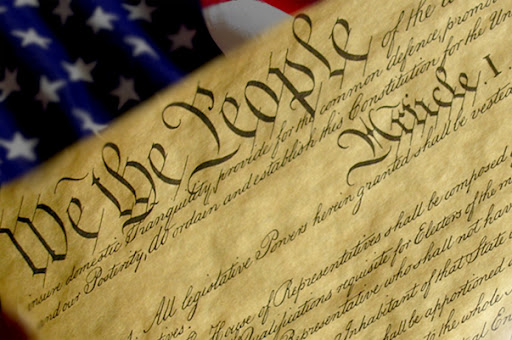
Pluralism is Democracy in Action
On July 4, America will mark 250 years since the signing of the Declaration of Independence. That day in 1776, the nation’s founders put forward a bold vision for a new democratic experiment, one rooted in shared values, with power derived from the people rather than imposed by a monarch or religious authority: